How Speech Therapy Helps Children with Autism Spectrum Disorder (ASD)
A compassionate, neurodiversity-affirming guide to building functional communication, confidence and meaningful connection.
A Brief Introduction to the Topic
Autism Spectrum Disorder (ASD) is a neurodevelopmental condition characterized by differences in social interaction, behavioral patterns, and communication. For many children on the autism spectrum, expressing thoughts, understanding spoken language, and navigating social interactions can present unique hurdles. Speech-language pathology plays a transformative role in helping these children bridge the gap between their inner worlds and the external environment, empowering them to connect meaningfully with others.
The Importance of Speech Therapy
Communication is the foundation of learning, emotional regulation, and relationship-building. Speech therapy goes far beyond correcting articulation; it addresses the core pragmatic and functional aspects of communication. By providing tailored support, speech therapy helps children with ASD reduce frustration, advocate for their needs, and participate more fully in family and school life.
Common Communication Challenges
Children with ASD experience a diverse range of communication differences. Some may be entirely non-speaking or use minimal words, while others have expansive vocabularies but struggle with the social nuances of conversation. Common challenges include:
Difficulty initiating or maintaining a back-and-forth conversation.
Echolalia (repeating words or phrases heard previously, sometimes out of context).
Trouble understanding non-verbal cues, such as facial expressions, tone of voice, or body language.
Literal interpretation of language, making idioms and sarcasm hard to grasp.
Available Intervention and Therapy Approaches
Speech-language pathologists (SLPs) utilize evidence-based, neurodiversity-affirming approaches tailored to each child's unique profile. Key methodologies include:
Naturalistic Developmental Behavioral Interventions (NDBI)
Embedding communication goals into play-based, natural routines.
SCERTS
Focusing on Social Communication, Emotional Regulation and Transactional Support to build genuine, trusting relationships.
Alternative and Augmentative Communication (AAC)
Incorporating picture exchange systems, sign language or speech-generating devices to support expression.
Practical Tips for Parents
Parents are a child's most important communication partners. You can support development at home by:
Follow their lead
Join in on activities your child is already interested in and narrate what they are doing.
Give processing time
Count to five silently after asking a question to give your child time to process and respond.
Use visual supports
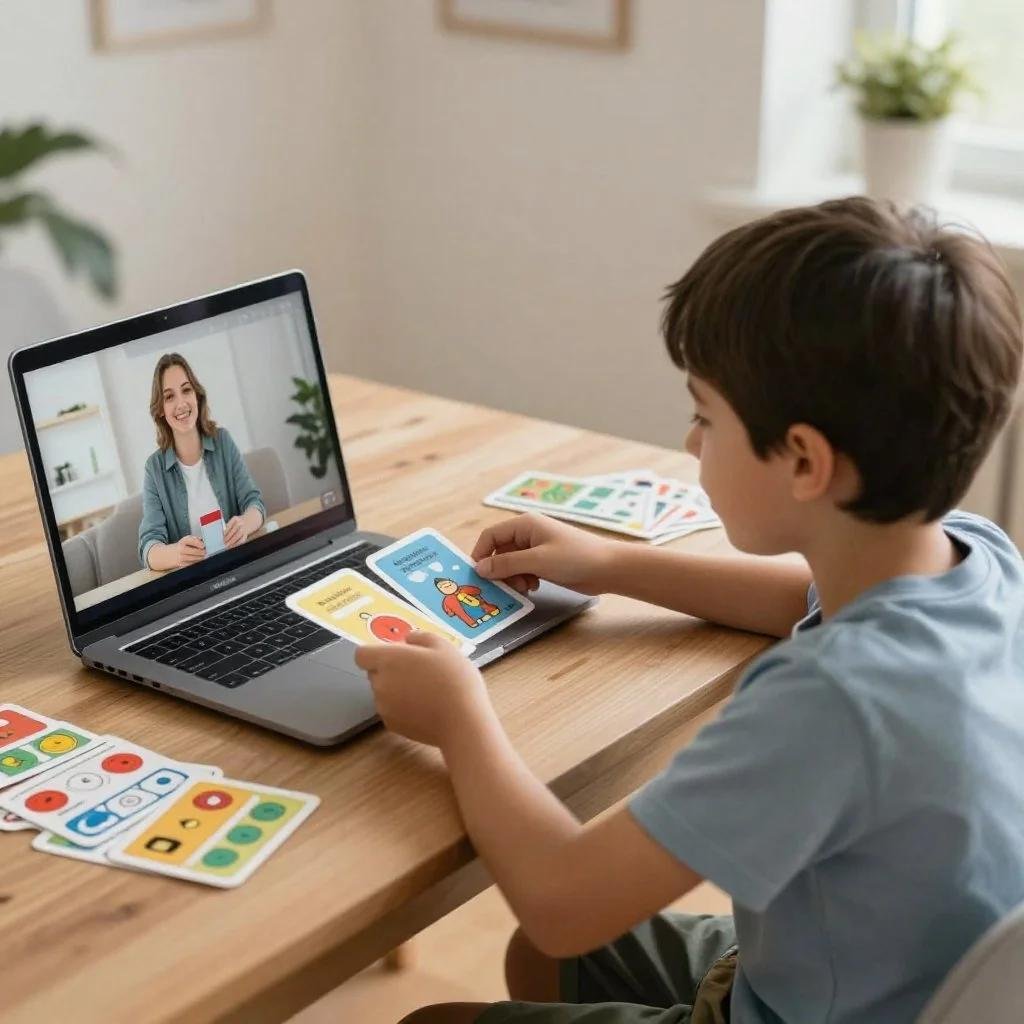
Use visual schedules or picture cards to help transition between activities and reduce anxiety.
How SpeechSparkle Services Can Support You
At SpeechSparkle, our team of licensed speech-language pathologists specializes in providing neurodiversity-affirming care for children with autism. We partner closely with families to design customized, play-based intervention plans that celebrate each child's strengths while targeting functional communication goals. Whether your child is working on expanding their vocabulary, building social connections, or exploring AAC tools, we are here to help them sparkle.
Book a Consultation →Conclusion
Navigating communication differences in autism can feel overwhelming, but with the right guidance, incredible progress is possible. Every step forward—whether it is a new word, a shared smile, or a successful interaction—is a victory worth celebrating.