Early Signs of Autism: Communication Milestones Every Parent Should Know
Understanding your child’s early communication development can help you identify when additional guidance or support may be beneficial.
Recognizing early communication differences can help families seek timely support for their child. While every child develops at their own pace, monitoring communication milestones can provide valuable insight into language and social development.
Early identification gives children an opportunity to benefit from intervention during an important period of brain development. It does not mean rushing to a diagnosis—it means understanding your child’s needs and providing appropriate support when required.
Important: One missed milestone does not automatically indicate autism. However, a consistent pattern of communication or social differences may be a reason to consult a qualified professional.
Important Communication Milestones
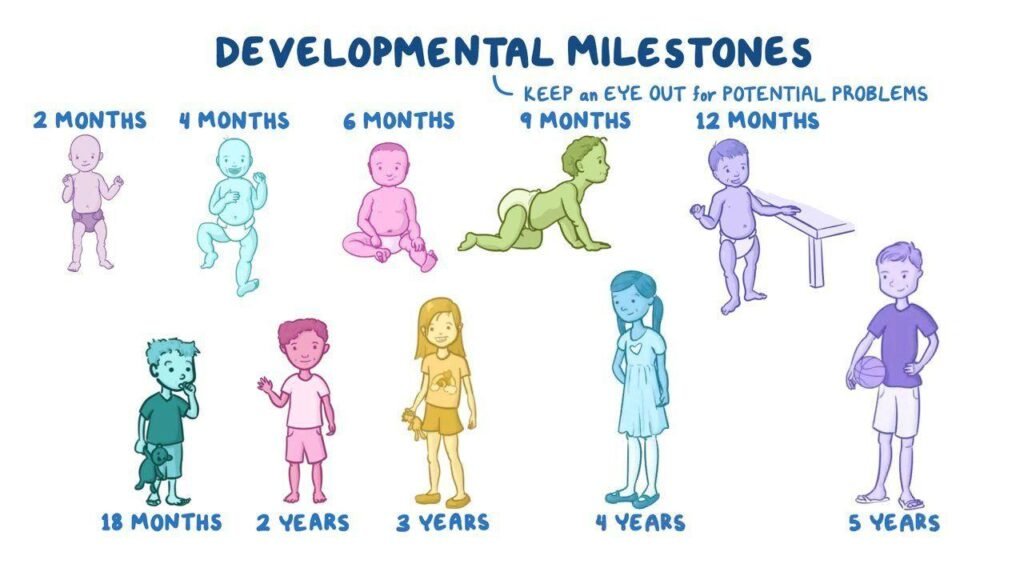
During the early years, children generally develop a combination of verbal, non-verbal, and social communication skills. Parents may observe the following milestones:
Responding to Their Name
The child consistently turns, looks, or reacts when their name is called.
Using Gestures
The child points, waves, reaches, or uses other gestures to communicate needs and interests.
Babbling and Making Sounds
The child experiments with sounds and uses their voice to attract attention or engage with others.
Sharing Attention
The child looks between a person and an object, follows another person’s gaze, or tries to share something interesting.
Developing Words and Phrases
The child gradually begins using meaningful words and combines them into simple phrases.
When Should Parents Seek Professional Guidance?
Consider speaking with a paediatrician or speech-language pathologist if your child consistently:
- Rarely responds when their name is called
- Uses very few gestures to communicate
- Shows limited interest in sharing attention or interaction
- Has difficulty developing or using words meaningfully
- Repeats words without using them to communicate
- Loses communication or social skills they previously demonstrated
How Communication Is Assessed
Speech-language pathologists assess communication through developmental observations, discussions with parents, structured activities, and play-based evaluations.
The assessment may explore how a child understands language, expresses needs, uses gestures, interacts with others, responds to social cues, and communicates during everyday activities.
How Early Intervention Can Help
Early intervention focuses on building functional communication in ways that are appropriate for the individual child. Therapy may support:
How Parents Can Encourage Communication
Parent involvement is an important part of early intervention. Simple strategies can be incorporated into familiar routines such as playtime, meals, dressing, and reading.
Early Communication Support at SpeechSparkle
At SpeechSparkle, we provide developmental communication evaluations and early intervention services designed to identify communication differences and support children during the early years of development. Our therapists also guide parents with practical strategies that can be used during daily routines.
Concerned About Your Child’s Communication Milestones?
Book an online speech therapy assessment with SpeechSparkle and receive professional guidance based on your child’s individual communication needs.
Book an Online AssessmentThis article is intended for general awareness and does not provide a diagnosis or replace an evaluation by a qualified healthcare professional.